
In the field of custom polymers, toll coating and contract coating are two distinct manufacturing arrangements often used to apply coatings to substrates, but they differ in terms of 3 main things:
- Ownership
- Responsibility
- Operational scope
Let’s first look at the main differences between toll coating and contract coating.
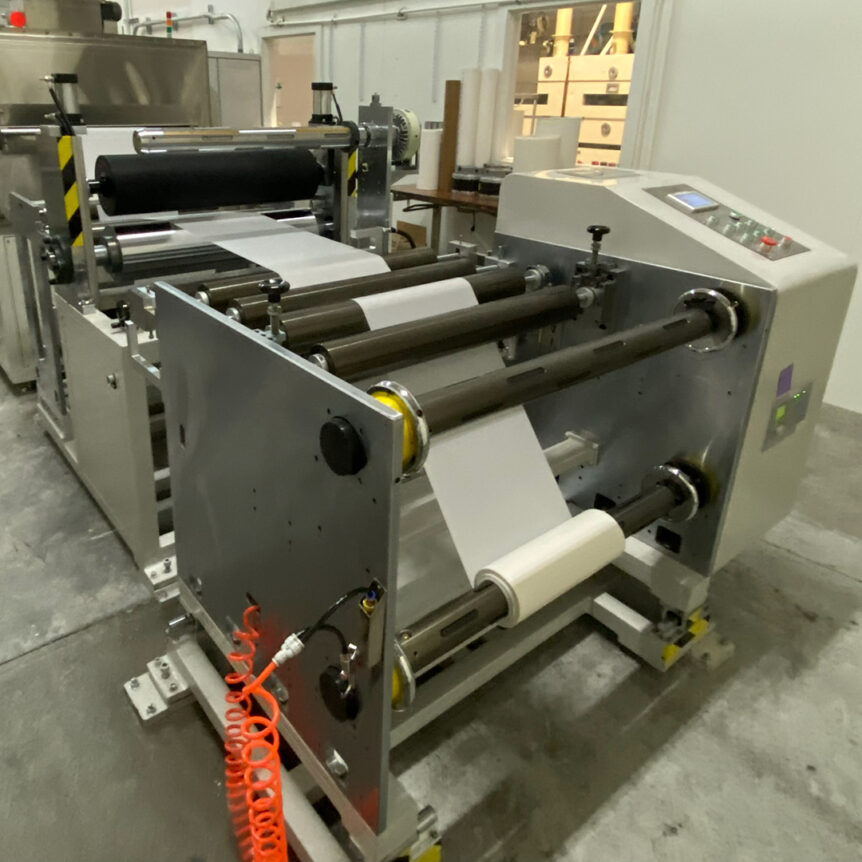
Toll coating refers to a service where a company (the toller) provides the coating process and equipment to apply a coating to a substrate provided by the client. The client typically owns the raw materials (e.g., the polymer formulation or coating material) and the substrate, and they contract the toller to perform the specific coating task. The toller processes the materials according to the client’s specifications and returns the coated product to the client. Essentially, the toller acts as a service provider, focusing solely on the coating step without taking ownership of the materials or the final product. This arrangement is beneficial for companies that have proprietary formulations but lack the equipment or capacity to coat substrates themselves.
Contract coating is a broader arrangement where the coating company takes on more responsibility. In this model, the contract coater may not only apply the coating but also source the raw materials, develop or refine the coating formulation, and manage additional aspects of the production process, such as quality control or packaging. The client provides the specifications, but the contract coater has greater control over the entire process and may even retain ownership of the materials until the finished product is delivered. This is more of a turnkey solution, ideal for clients who need a fully outsourced manufacturing process rather than just a single step.
Key Differences between Toll Coating and Contract Coating
Here are some of the key elements that distinguish these two types of coating:
- Ownership of Materials: In toll coating, the client owns and supplies the materials; in contract coating, the coater may procure and manage the materials.
- Scope of Service: Toll coating is limited to the coating process itself, while contract coating often includes additional services like formulation, sourcing, or finishing.
- Control: Toll coating gives the client more control over the materials and formulation, whereas contract coating shifts more responsibility to the coater.
- Use Case: Toll coating suits companies with in-house expertise and proprietary materials, while contract coating is better for those seeking a comprehensive outsourcing solution.
Both approaches are widely used in custom polymer applications, such as producing films, adhesives, or specialty coatings, depending on the client’s needs and resources.
Custom Contract Coating with National Polymer
At National Polymer, we work with clients using both toll coating and contract coating. Our expertise, however, lies in custom contract coating.
National Polymer possesses advanced equipment, extensive expertise, and proven track record to deliver high-quality custom coating services tailored to your unique project needs. Our dedicated team can take on the full burden of inventory management, allowing you to focus on your core business while we handle formulation refinement and quality control.
By partnering with National Polymer, you avoid the significant time and financial investment required to acquire specialized machinery or hire and train full-time staff. This approach is ideal for industries such as electronics, medical, automotive, aerospace, and more, where we ensure confidentiality through NDAs and compliance with high standards of quality assurance.
Contact our coating experts today at (800) 670-0477 or via our website here to discuss your requirements, explore custom solutions, and get started on a seamless, innovative partnership.
